













Reviving the Past, Sustaining the Future — Hari Chandana IAS Leads a Heritage Renaissance
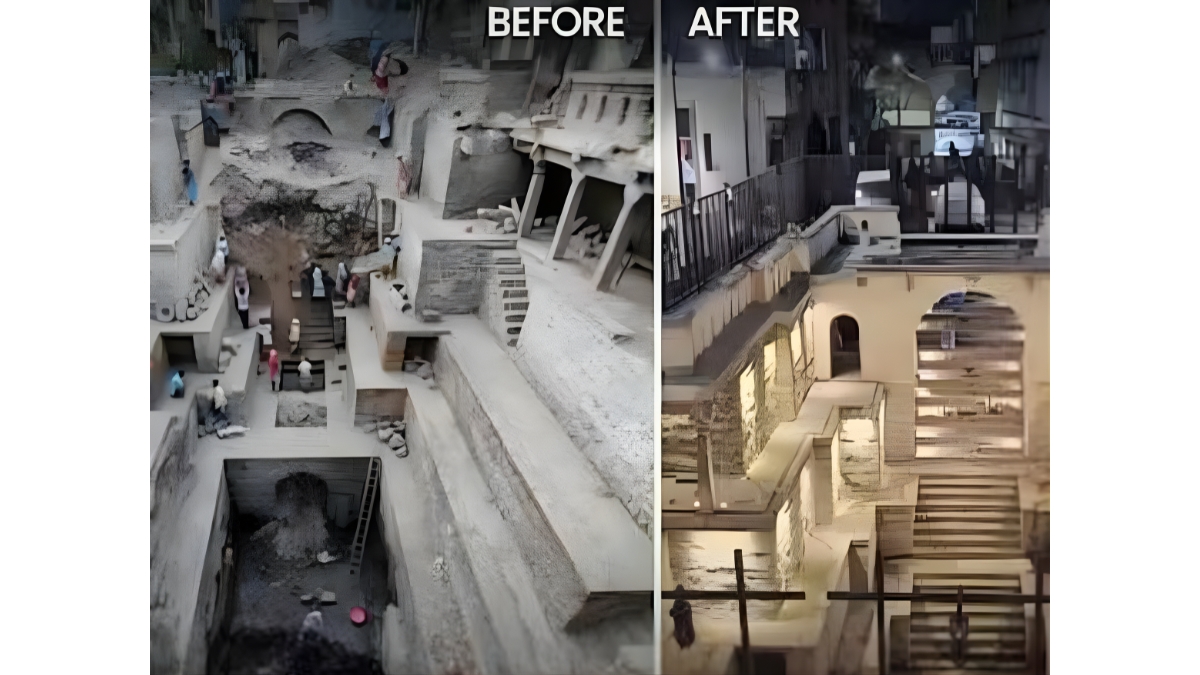
Hyderabad (Telangana) [India], February 14: Within the historic campus of Osmania University in Hyderabad stands a once-forgotten architectural treasure — the Mah Laqa Bai Stepwell — now restored to its former grandeur after decades of neglect. Once buried under debris and lost in time, this 18th-century structure has been carefully conserved and ecologically revitalized into [...]

Hyderabad (Telangana) [India], February 14: Within the historic campus of Osmania University in Hyderabad stands a once-forgotten architectural treasure — the Mah Laqa Bai Stepwell — now restored to its former grandeur after decades of neglect. Once buried under debris and lost in time, this 18th-century structure has been carefully conserved and ecologically revitalized into a vibrant heritage landmark.
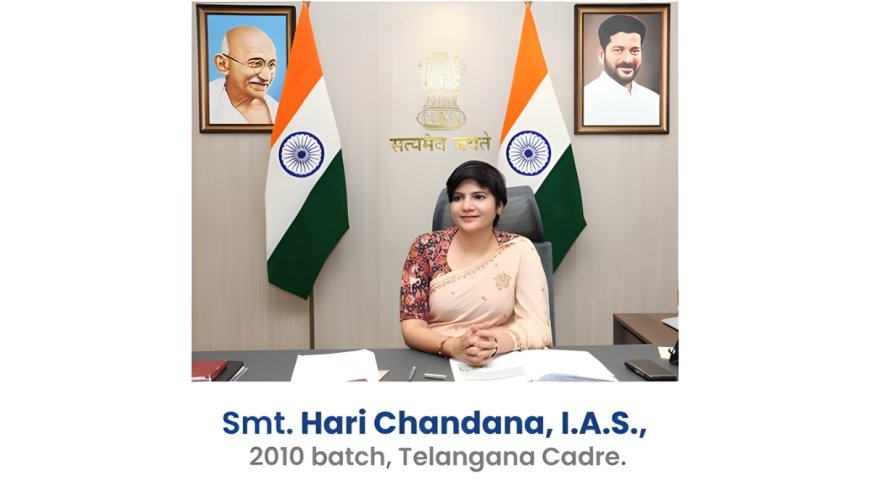
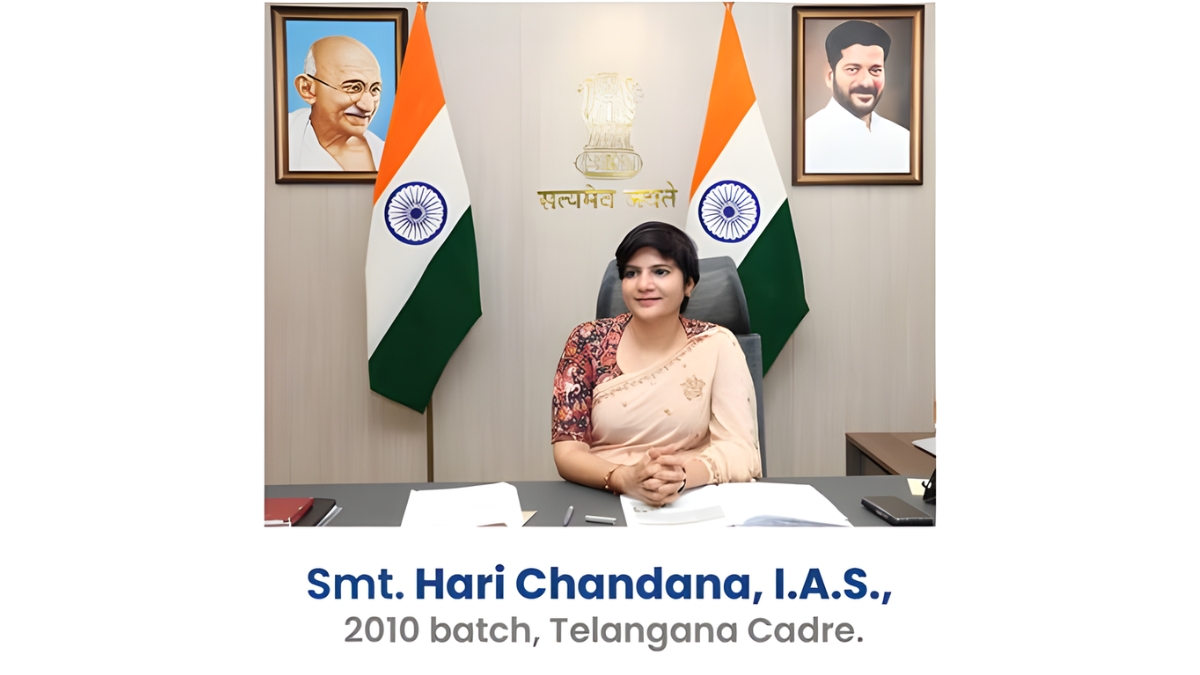
At the center of this transformation is Hari Chandana, whose administrative vision seamlessly integrates sustainability, culture, and community participation. The revival of the stepwell is not an isolated effort, but part of a larger, sustained movement of heritage conservation across Telangana under her leadership.
Her administrative journey reflects a consistent commitment to transforming neglected spaces into meaningful public assets.
Urban Foundations: The GHMC Years
Before taking charge at the district level, Hari Chandana served as Zonal Commissioner at the Greater Hyderabad Municipal Corporation (GHMC), where sustainability and heritage conservation became central pillars of governance.
Among the most symbolic projects of that period was the restoration of the 17th-century Bansilalpet Stepwell in Hyderabad’s old quarters. Long submerged in waste and abandonment, it was transformed into a restored heritage destination.
Ancient stone steps were reopened, original architectural elements were revived, and the stepwell re-entered public life as a cultural landmark.
This initiative reflected broader reforms within GHMC:
-
Reclaiming historic public spaces
-
Reviving traditional water systems
-
Embedding sustainability into urban planning
These efforts laid the groundwork for a larger heritage revival movement in Narayanpet.
Narayanpet: A District-Wide Heritage Awakening
Upon assuming office as Collector of Narayanpet, her vision expanded across a region historically rich in stepwells but long overlooked.
Baram Baoli — The Beginning of Renewal
One of the earliest milestones was the restoration of Baram Baoli, a centuries-old stepwell buried under neglect.
Under her leadership:
-
Debris was cleared
-
The original stone structure was conserved
-
Community ownership was restored
The transformation was remarkable. Festivals resumed, families returned, and the stepwell reclaimed its role as both a water source and a social gathering space.
This was more than restoration — it was the revival of collective memory and public life.
Reclaiming a Forgotten Water Network
The success of Baram Baoli led to a district-wide initiative.
Hari Chandana launched the documentation and phased restoration of dozens of ancient stepwells across Narayanpet — many unseen for generations.
The focus extended beyond aesthetic repair to:
-
Traditional conservation practices
-
Groundwater recharge
-
Community stewardship
-
Long-term environmental sustainability
Gradually, the district reconnected with its water heritage. Structures once built to combat drought centuries ago now contribute to climate resilience.
Aligning Local Action with Global Heritage Principles
The global importance of traditional water systems has been acknowledged by UNESCO, which recognizes them as examples of climate-responsive engineering and cultural architecture.
Across India, heritage principles aligned with UNESCO emphasize that stepwells historically served as:
-
Environmental infrastructure
-
Social and cultural hubs
-
Architectural achievements
-
Models of sustainable living
The conservation initiatives led by Hari Chandana reflect these global values — preserving authenticity while restoring functionality and public relevance.
Mah Laqa Bai Stepwell — A Culmination of Vision
The restoration at Osmania University represents the convergence of urban sustainability experience and rural heritage revival.
Here, conservation evolved into:
-
Architectural restoration
-
Groundwater sustainability
-
An educational and cultural space
-
Community collaboration
Today, the Mah Laqa Bai Stepwell stands not merely as a monument but as a living symbol of Hyderabad’s heritage, shaping its future.
Redefining Development Through Heritage
Hari Chandana IAS stands out not only for the scale of projects undertaken, but for the philosophy guiding them.
Her work demonstrates that:
-
Progress does not require erasing history
-
Heritage can drive sustainable development
-
Governance can reconnect communities with their roots
In a time of rapid urban expansion, her approach proves that enduring progress respects memory while building forward.
A Continuing Legacy
From urban Hyderabad under GHMC…
To the rural landscapes of Narayanpet…
To the revival within Osmania University…
Hari Chandana’s journey reflects a rare continuity of visionary public service.
Each restored stepwell conveys a powerful message:
When heritage is preserved with purpose,
The future stands stronger.
If you object to the content of this press release, please notify us at pr.error.rectification@gmail.com. We will respond and rectify the situation within 24 hours.
What's Your Reaction?